
Web 1.0
The first generation of the web, Web 1.0, was characterized by static pages and limited interaction. It was primarily a one-way communication channel where users could only read information but not interact with it.
Empowering the Future with Digital Skills
Explore more the transformative potential of Web 5.0 and discover how it will reshape the digital landscape. Unlock new opportunities by embracing the future of the web today.

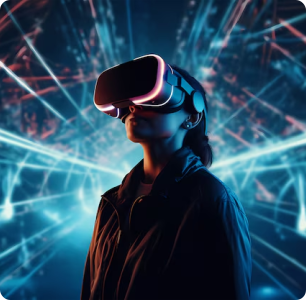


The first generation of the web, Web 1.0, was characterized by static pages and limited interaction. It was primarily a one-way communication channel where users could only read information but not interact with it.
Web 2.0 brought dynamic content and interactivity to the internet, allowing users to create, share, and collaborate. Social media platforms, blogs, and user-generated content defined this era, making the web a two-way communication platform.

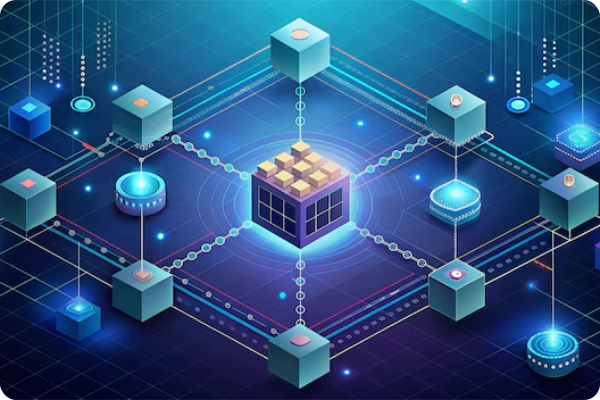
The Decentralized WebWeb 3.0 introduced decentralization through blockchain technology, enabling more secure, transparent, and peer-to-peer interactions. This shift allowed users to take control of their data and transactions, reducing the reliance on centralized platforms.
Web 4.0 further integrated AI and advanced automation, creating highly personalized experiences. The web became even more adaptive to user needs, providing seamless interactions across devices and platforms.
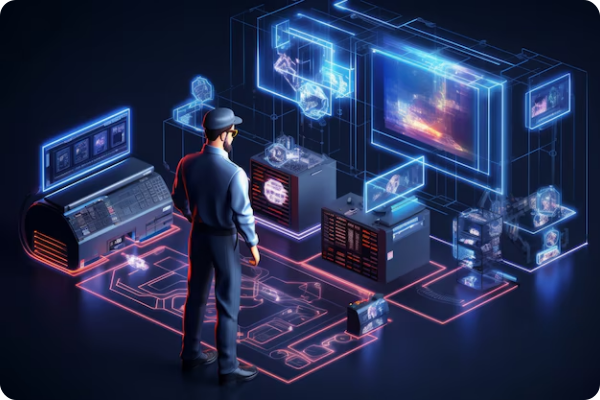
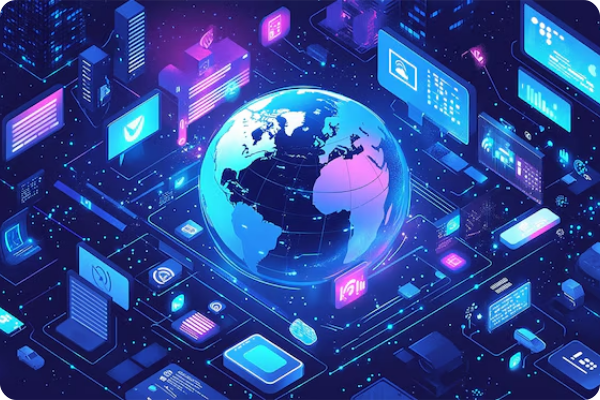
Web 5.0 represents the next leap forward, blending emotional intelligence with advanced technologies like blockchain and decentralized systems. It aims to create a more human-centered web where interaction feels natural and intuitive, empowering users with more control over their data and experiences.


Web 5.0 brings unparalleled advancements in personalization, emotional intelligence, and decentralization. As the web evolves, it creates more meaningful interactions between users and technology, making the digital experience smarter, faster, and more secure.

Enhanced Personalization
Enhanced Personalization
Enhanced Personalization
Enhanced Personalization